


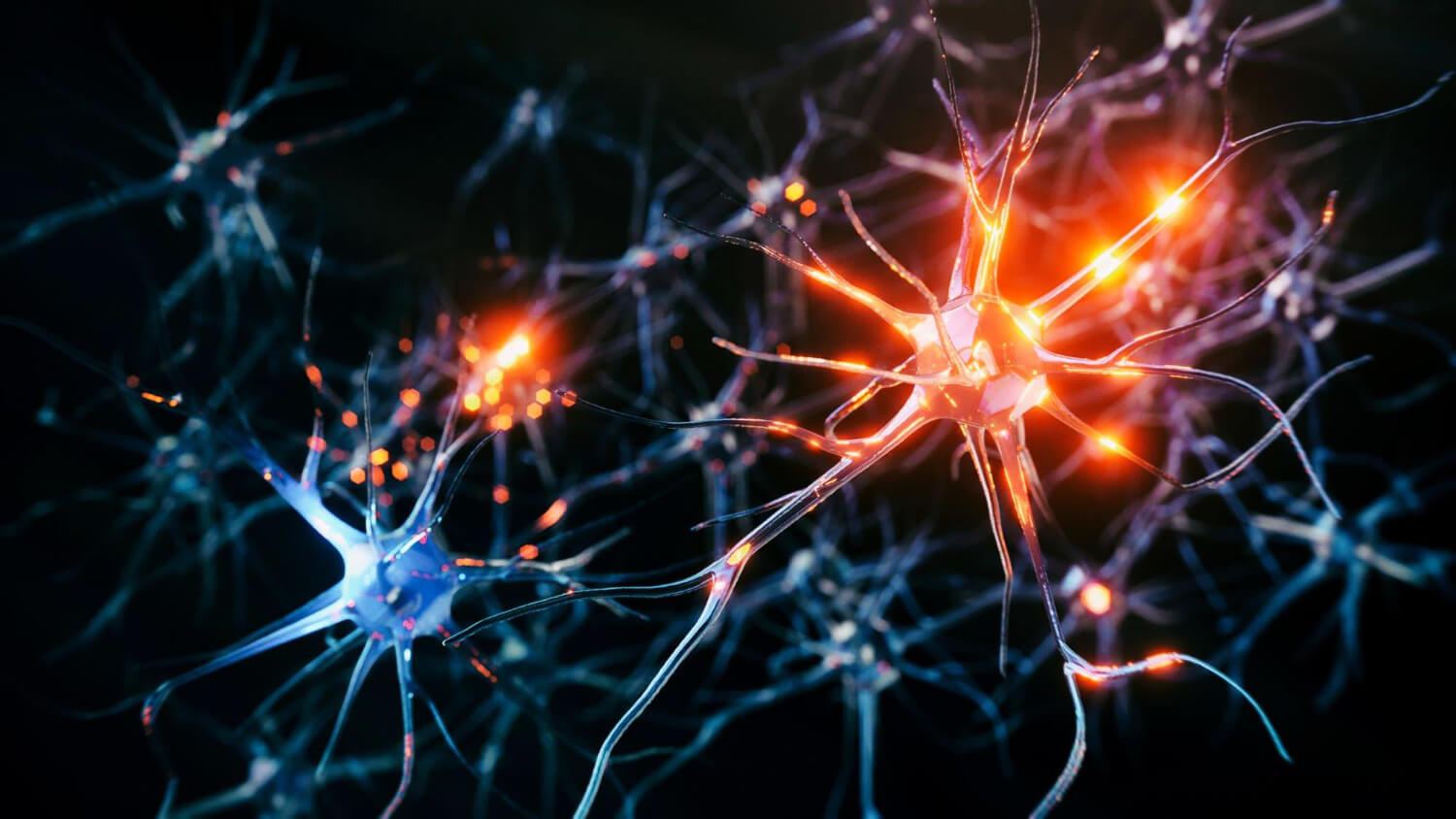
Neuro inflammation: the silent brain cell killer – Part II
Reducing neuroinflammation, the silent brain cell killer, requires focusing on essential nutrients. Fatty acids like EPA, DHA and GLA help lower inflammation, while trans-fats, saturated fats and omega-6 arachidonic acids increase it. Always choose good fats such as extra-virgin coconut oil, olive oil and avocado oil. For long-term Neuroinflammation Treatment, explore our full approach on the Services page.
White meat and wild-caught fish are much healthier than farmed fish, which often contain toxins. Red meat contains high levels of arachidonic acids that raise inflammation and acidify the body.
Many individuals with brain-related conditions struggle with oxidative stress removal and detoxification pathways such as glutathione conjugation, methylation and sulfate conjugation.
Many people with brain-related diseases appear to have problems with the removal of oxidative stress and detoxification via the glutathione conjugation, methylation and/or sulfate conjugation.
The liver and its detoxification capacity
The liver is essential for eliminating neurotoxins, nitro stress and oxidative stress. Many people with neurological complaints also have methylation issues, often linked to MTHFR gene variations. This causes psychological symptoms and fuels neuroinflammation. Learn more about epigenetic influences on mental health in our About page.
For deeper support or personalized care, explore our Multi-Dimensional Diagnostic Scan
Prevent overloading with neurotoxins
Neurotoxins from heavy metals, fungi, parasites and polluted environments worsen neurological health. Testing for heavy metals can easily be done using a urine test. Explore our advanced detoxification support through Cell Stress Reset.
Strengthening the blood-brain barrier is crucial. Fewer toxins reaching the brain means less damage and better recovery. Our tailored Neuroinflammation Treatment programs can be found in our Longevity & Optimization service.
The effect of Vitamin B12
Vitamin B12 plays the following roles in neuroinflammation:
- A vitamin B12 deficiency reduces the function of the brain and nervous system, which can greatly increase the symptoms of neuroinflammation.
- B12 improves the blood-brain barrier function, which is extremely necessary because neurotoxins cannot penetrate the brain as easily.
- B12 supports methylation, a process that occurs frequently in our body, especially in tissue repair and cell renewal. But it also supports the production of neurotransmitters and reduces the expression of the SNP on the MTHFR gene.
- B12 is required for the production and protection of the myelin sheath. This is the insulating, protective layer of fat that surrounds the nerve. Keeping these myelin shafts intact would also reduce a lot of the pain associated with fibromyalgia.
- If you recognize yourself in the symptoms of neuroinflammation, reduce the dose of methyl cobalamin and adenosyl cobalamin and also take hydroxocobalamin. This special form of vitamin B12 eliminates nitro stress by neutralizing nitric oxide.
- B12 supports the production of ATP (energy) in the nerve and brain cells, and thus their functions improve.
- S-acetyl-L-Glutathione is a must in neuroinflammation
This form of glutathione has the following effects on neuroinflammation:
- It is neuroprotective, which means that it protects the nerves.
- It regulates the production of various neurotransmitters (brain hormones). It also increases the sensitivity of the nerve cell receptor for the neurotransmitters dopamine and serotonin, which is enormously important in psychological complaints. Furthermore, it restores the imbalance of neurotransmitters in the brain.
- Due to its antioxidant effect, it reduces the effects of oxidative stress, thus limiting damage to brain and nerve cells.
- It plays a very important role in the detoxification of toxins in all body cells as well as in the intestines. It also supports the breakdown and elimination of neurotoxins in the liver.
If you want a targeted supplement strategy, explore our professional protocols on the Intake & Protocol page.
Neuro inflammation
Acetyl-L-carnitine is also important in neuroinflammation. Note: In hypothyroidism (low thyroid gland activity) and in bipolar disorders, taking acetyl l carnitine is not recommended!
Acetyl-L-carnitine is the acetylated form of (L-)carnitine, which is found in food mainly in (red) meat and to a much lesser extent in vegetables. For vegans and vegetarians, supplementation is always advisable. However, pay attention to the note! Acetyl-L-carnitine strengthens the nervous system, heart and blood vessels, muscles as well as the pancreas and liver. The amino acid is excellent at transporting (free) long-chain fatty acids along the membrane of the mitochondria. Mitochondria are the energy-producing organelles in cells for the production of energy by fatty acid oxidation. They are of great importance in our energy production, and damage to them has major consequences for our energy levels and overall health.
Acetyl-L-carnitine has a dual function for the mitochondria: in addition to promoting fat burning, acetyl-L-carnitine protects the mitochondria against free radicals and harmful metabolic products. The amino acid also stimulates the synthesis of proteins and membrane phospholipids. It is thought that acetyl-L-carnitine has a beneficial effect on dopaminergic neurotransmission and the synthesis of nerve growth factor. Nerve growth factor is important for the regeneration of nerve tissue. It also influences the formation of beta-endorphin, a body-derived opioid neurotransmitter with stress-relieving and pain-relieving effects, among others.
Improve concentration, memory and mood
Acetyl-L-carnitine improves concentration, memory and mood and can help with inner turmoil. Next to all of this, LDN has been a miracle cure for me in my recovery from brain trauma and subsequent neuroinflammation. For neuroinflammation, fibromyalgia, depression, chronic fatigue and regulating the immune system, I recommend LDN. This is a normal medication that you can request from your GP. It does need to be built up, so get a prescription for LDN 1 mg, LDN 2 mg, LDN 3 mg and LDN 4.5 mg. Take each strength for 2 to 3 weeks until you reach the highest dose.
LDN reduces the inflammation in the brain caused by overactive microglia, the importance of allowing the microglia to function normally is described above. Microglia normally returns to their normal resting state when the immunity activation calmed down. However, repeated toxins, infections, emotional trauma, injuries and physical trauma can cause the microglia to become hyperactive. This causes the brain to remain in a constant state of inflammation.
LDN causes an increase in enkephalin and endorphins, which make the body feel less pain. Enkephalin and endorphin molecules act on the opioid receptors in the brain that have an analgesic effect. The body’s immune response is also normalized by an increase in endorphins. In addition, LDN increases Met-5, a type of opioid growth factor that regulates cell division in both normal and abnormal cells. This is also one of the reasons why LDN is useful in cancer.
Pain sensitivity and fatigue
Pro-inflammatory cytokines can increase pain sensitivity and fatigue. Pain sensitivity and fatigue may be increased by pro-inflammatory cytokines that are activated as a result of an attack on the central nervous system. This can also cause other inflammations throughout the body. This explains a 2010 study on the effects of LDN treatment in women, which led to a 30% reduction in symptom severity. Patients with Crohn’s disease saw an even stronger response to LDN. Over 80% of patients showed significant improvements. Simply add LDN to the basic supplementation given if you suspect you have neuroinflammation.
Need help?
If you need personalized support, fill out the Contact Form. Your health is our mission.

Leave a Reply